
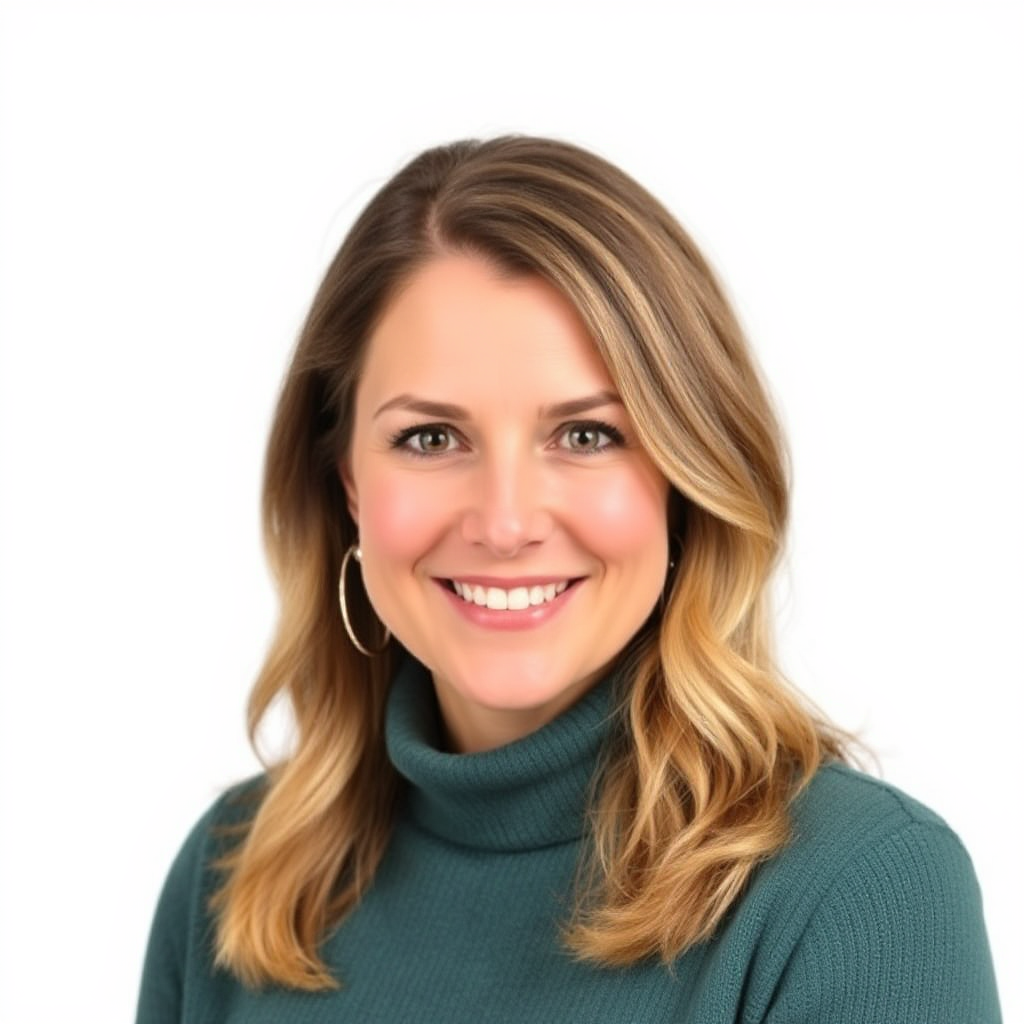
On occasion, Lorna Grinnell-Moore has the receiver hung up abruptly. Often, she must hear to various far-fetched conspiracy theories and, once, she remembers being shouted at.
"There's always going to be individuals like those, who just don't want to hear, and you feel you've failed."
But this is all part of the day job for Lorna. She's been calling families whose young ones have not received MMR vaccinations to persuade them to get immunised. Inadequate uptake of vaccines mean the disease has been able to spread in the city, mostly affecting children younger than ten.
An Active Strategy
This is not Lorna's first time - she was part of a team of public health employees that completed thousands of telephone contacts in just three months after a spike in measles reports in late 2023 affected hundreds of children. These discussions by themselves led nearly 1,000 once reluctant guardians and adolescents to opt for vaccination.
Within a London borough, which is grappling with a measles outbreak, officials are looking to cities such as Birmingham for ways to get a grip on it. Five dozen cases have been confirmed so far this year, mainly among young children, some of whom have been required inpatient care.
Bringing Back Retirees
During Birmingham's 2023 outbreak, some former doctors and nurses were returned to service, as occurred previously. In this instance, though, instead of administering jabs, they were tasked with convincing people to get them.
The team was tasked with placing follow-up calls to parents and patients up to the age of 25 to address the barriers preventing them obtaining the jab against a disease that can have severe outcomes - encompassing brain inflammation and vision impairment and, in uncommon instances, death.
Presently, Lorna, a vaccination program lead, and a group of nurse specialists have been brought on to resume telephone outreach as measles cases rise once more.
A Delicate Communication Task
The job is far from simple. It requires a specific methodology which involves attentive listening and attempting to comprehend the person on the other end.
"When I understand their point of view, I can then answer their questions," says Lorna. "Occasionally they are receptive, and other times they state they don't want to hear more."
"The goal isn't to act like an authoritarian figure."
Should callers agree to carry on talking, Lorna is confident she can then ease their apprehensions or doubts about the vaccine and assist in alleviating them.
Protocols and Support
A policy limits calls to three attempts. A further protocol discourages message-leaving due to potential confusion. Staff members fluent in a variety of languages, including French, Italian, Arabic and Urdu, can help with making calls when the primary language isn't English.
Alongside the phone service, the joint incident management team additionally executes an information campaign and engages with local community groups.
Tangible Results
The citywide effort has had a noticeable influence. During 2024, an extra 7,000 vaccinations were completed – and the complete tally of doses was 20 percent greater than the previous year.
Specifically, there had been lower vaccine uptake among particular demographic groups, such as Roma, Eastern European, South Asian, and Black communities.
Linguistic challenges were met by boosting the information available in various tongues, utilizing QR code technology that lead to explanatory videos detailing the advantages, in conjunction with conventional billboard advertising.
Doctors' Surgeries Adapt
A number of primary care clinics have also initiated their own call-and-recall work. One of those is Hall Green Health, which has gone further by offering GP appointments to uncertain guardians so they can discuss their concerns directly with a physician.
"I think we have become complacent about just how serious measles is," says partner Dr Sonia Ashraf.
She says there are various reasons that cause hesitancy. The inclusion of porcine gelatine in MMR is a frequent issue, yet this can be simply addressed by supplying the type of the jab that is free from gelatine.
Long-refuted data from the 1990s wrongly connecting the vaccine to autism also gets brought up, while certain guardians also express concern about the volume of recommended jabs administered in early childhood. During the preschool years, they will have been scheduled for six vaccination sessions.
"Certain guardians wonder the reason for multiple jabs or believe their kids are robust enough such illnesses," notes the doctor. "We dedicate time to presenting the facts with them – misinformation is widespread out there."
Budgetary Limits and What's Next
The proactive calling system has since been made available elsewhere. Yet, owing to financial constraints, it is something that can only be done to a restricted degree. In 2025, immunization rates declined again to earlier, lower levels, leaving the city still well below the 95 percent target needed for herd immunity.
But while there have been spikes in infection, there has been nowhere near the scale of cases that were seen two years ago, when diagnoses surpassed five hundred.
A public health lead, says the proactive calling strategy "works very well" but "not a perfect solution" and needs to be integrated with further actions. Optimally, he explains it would be employed more widely but additional funding is required.
Current funding for the calling system is secured until the conclusion of the current fiscal period.
Countrywide Challenges
Birmingham is not the only area to implement this method. Several other locations have experimented with comparable approaches.
Yet, moving the needle across the nation has remained a struggle. Right now, under 85 percent of children have had both required shots by the age of five.
"It poses a significant problem," says an expert. "The factors behind non-vaccination are complex and different. One thing that often gets overlooked is accessibility. For


